Introduction
Iran tech news refers to updates about technology development, internet systems, digital policies, artificial intelligence, telecom infrastructure, and cybersecurity activities in Iran. Technology in Iran is closely linked with government regulation, international sanctions, and regional security conditions.
In 2026, Iran technology environment is heavily influenced by internet restrictions, AI surveillance systems, and digital infrastructure control systems.
Internet system in Iran
Iran internet system operates under strong regulation and state control.
Key points include:
- National internet infrastructure
- Controlled international access
- Monitoring of online activity
- Restricted global platforms
Recent reports show large-scale internet disruptions affecting access for users across the country.
Internet shutdown and digital control
Iran has experienced repeated internet shutdowns and restrictions during political and security situations.
Includes:
- Nationwide connectivity reduction
- Limited access to global internet
- Expansion of controlled “approved access” systems
Reports suggest access is sometimes given only to selected users under monitoring systems.
AI surveillance systems
Artificial intelligence is being used in digital monitoring systems.
Includes:
- Online behavior tracking
- Content filtering systems
- Automated surveillance tools
AI-based monitoring is part of broader cyber control strategy.
Cybersecurity and digital control infrastructure
Iran’s internet control system includes advanced filtering technologies.
Key systems include:
- Deep packet inspection tools
- Traffic monitoring systems
- Content blocking mechanisms
Some of these systems are linked with foreign technology providers used in surveillance infrastructure.
Internet access changes and restrictions
Recent developments show that internet access is not uniform across population.
Includes:
- Partial access for selected groups
- Restricted global browsing
- Controlled internet services
Some systems operate under “tiered access” model where users have different levels of connectivity.
Telecom and infrastructure development
Iran continues to develop internal telecom infrastructure.
Includes:
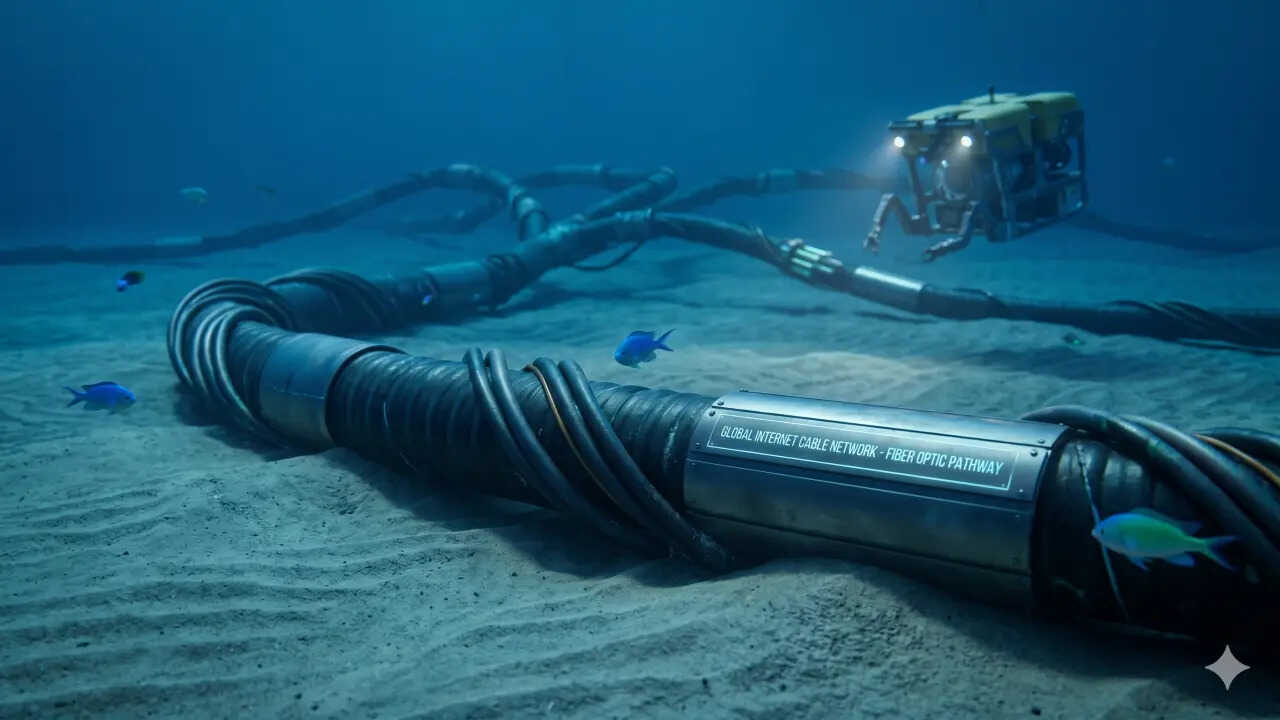
- National fiber networks
- Domestic hosting systems
- Local data centers
These systems support internal digital services when global access is restricted.
Technology industry in Iran
Iran’s tech sector includes:
- Software development companies
- Startup ecosystem
- Mobile application services
- E-commerce platforms
Despite restrictions, domestic digital services continue to grow.
Mobile and application usage
Mobile technology is widely used in Iran.
Includes:
- Messaging applications
- Local social platforms
- Banking applications
- E-commerce apps
Global apps are often restricted, leading to local alternatives.
Internet economy and digital services
Digital economy in Iran includes:
- Online retail services
- Freelancing platforms
- Digital banking systems
- Local payment networks
These systems operate within regulatory framework.
Social media and communication tools
Social media access is regulated.
Common usage includes:
- VPN-based access systems
- Local social networks
- Messaging applications
Restrictions affect how users access global platforms.
Cybersecurity concerns
Cybersecurity is a major part of Iran tech environment.
Includes:
- Cyber attacks and defense systems
- Data protection systems
- Government cybersecurity units
Security policies are part of national digital strategy.
Technology sanctions impact
International sanctions affect Iran’s technology sector.
Impact includes:
- Limited access to global hardware
- Restricted software services
- Reduced cloud computing access
This affects development of advanced tech systems.
Foreign technology influence
Iran’s tech infrastructure is influenced by external technology systems.
Includes:
- Imported hardware systems
- Surveillance technologies
- Telecom equipment
Some infrastructure depends on foreign supply chains.
AI development in Iran
Artificial intelligence development is growing inside Iran.
Includes:
- Academic AI research
- Local AI startups
- Government AI programs
AI is used in language processing, security, and data systems.
Digital censorship systems
Content control is part of internet system.
Includes:
- Website filtering
- Keyword blocking
- Platform restrictions
These systems regulate online content access.
Data privacy and regulation
Data privacy systems are controlled by national policies.
Includes:
- User data monitoring
- Communication tracking
- Restricted encryption systems
Privacy rules differ from global standards.
Role of government in tech sector
Government plays central role in technology development.
Includes:
- Licensing of telecom services
- Control of internet infrastructure
- Regulation of digital platforms
Policy decisions affect tech industry direction.
Startup ecosystem in Iran
Iran has growing startup environment.
Includes:
- Tech startups in Tehran
- Fintech companies
- E-commerce platforms
Startups operate under regulatory constraints.
Financial technology systems
Fintech sector includes:
- Online banking
- Digital payments
- Mobile wallets
These systems are expanding within local market.
Challenges in Iran tech sector
Main challenges include:
- Internet restrictions
- Sanctions limitations
- Limited global integration
- Hardware access issues
These factors affect growth speed.
Future of Iran technology
Future developments may include:
- Expansion of domestic internet systems
- Growth in AI applications
- Increased cybersecurity focus
- Development of local tech platforms
Technology direction depends on policy and global conditions.
Conclusion
Iran tech news covers internet systems, AI development, cybersecurity, digital regulation, and technology industry growth. The sector is shaped by internal policies and international restrictions.