Introduction
Iran oil trade refers to production, export, transportation, and sale of crude oil and petroleum products from Iran in global markets. Oil trade is a major part of Iran’s economy and is linked with international sanctions, shipping routes, and global energy demand.
In 2026, Iran oil trade is affected by geopolitical tension, sanctions pressure, and disruption in maritime routes, especially around the Strait of Hormuz.
Meaning of Iran oil trade
Iran oil trade includes all activities related to:
- Oil production
- Oil export
- Oil shipping
- Oil sales contracts
- Oil revenue collection
Iran is a member of OPEC and produces large volumes of crude oil for export markets.
Role of oil in Iran economy
Oil is one of the main revenue sources for Iran.
It supports:
- Government budget
- Foreign currency earnings
- Industrial development
- Energy sector funding
Changes in oil trade directly affect economic stability.
Oil production system in Iran
Iran produces crude oil from several major regions.
Key areas include:
- Offshore oil fields in Persian Gulf
- Onshore oil fields in southwest regions
- Gas condensate fields
Production is managed by national energy institutions.
Export structure of Iran oil
Iran exports oil through:
- Tankers from Persian Gulf terminals
- Shipping routes to Asia
- Private trading networks
China is one of the main buyers of Iranian crude oil in recent years.
Impact of sanctions on oil trade
International sanctions affect Iran oil trade.
Sanctions include:
- Restrictions on oil exports
- Banking limitations
- Shipping restrictions
- Insurance limits for tankers
Recent data shows export levels fluctuate under pressure.
Shadow shipping system
To continue trade, oil is sometimes transported through indirect systems.
Includes:
- Ship-to-ship transfers
- Reflagged tankers
- Hidden ownership shipping networks
These systems are used to maintain export flow.
Major buyers of Iran oil
Iran oil is mainly sold to:
- Asian markets
- Private refineries
- Regional trading hubs
China remains a key importer of Iranian crude in global market structure.
Strait of Hormuz importance
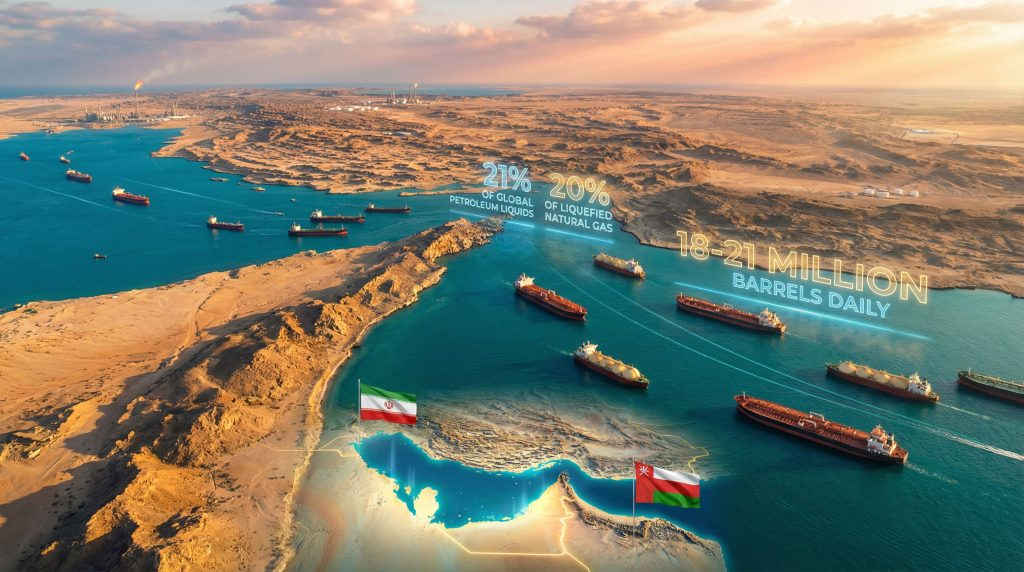
The Strait of Hormuz is a key shipping route for Iran oil exports.
Importance includes:
- Transport of global oil supply
- Connection between Gulf producers and world markets
- High volume maritime trade route
Any disruption affects oil supply chains and global prices.
Recent tensions in the region have raised concerns about shipping flow stability.
Oil export fluctuations
Iran oil exports change based on:
- Sanctions enforcement
- Regional security situation
- Shipping access
- International demand
Recent reports show exports have dropped significantly during periods of pressure.
Storage and oil management
When exports are restricted, oil is stored in:
- Floating storage tankers
- Onshore facilities
- Temporary holding systems
This helps manage production when export routes are limited.
Role of China in oil trade
China plays a major role in Iran oil trade.
Includes:
- Import of crude oil
- Refining of discounted crude
- Payment through alternative systems
Trade continues through indirect financial channels.
Oil pricing system
Iran oil is priced based on:
- Global crude benchmarks
- Supply and demand balance
- Discount levels due to sanctions
- Shipping risk factors
Prices may differ from international standard oil prices.
Shipping and logistics system
Oil transport depends on:
- Tanker fleets
- Maritime routes
- Insurance systems
- Port infrastructure
Disruptions in shipping affect export volume.
Impact of global politics
Iran oil trade is linked with:
- US foreign policy
- Regional conflicts
- International negotiations
- Sanctions enforcement
Political decisions directly influence export levels.
Role of OPEC
Iran is part of OPEC system.
OPEC role includes:
- Production coordination
- Market stability discussions
- Output adjustment decisions
Oil policy is influenced by group agreements.
Revenue impact of oil trade
Oil exports generate:
- Foreign currency earnings
- Government revenue
- Import funding
When exports fall, national revenue reduces.
Technology in oil industry
Oil trade uses technology for:
- Exploration
- Refining
- Logistics tracking
- Market monitoring
Modern systems improve efficiency.
Environmental and energy shift
Global energy transition affects oil demand.
Includes:
- Renewable energy expansion
- Electric vehicles
- Reduced fossil fuel dependency
This impacts long-term oil market outlook.
Risk in oil trade system
Iran oil trade faces risks such as:
- Sanctions enforcement
- Maritime restrictions
- Market instability
- Price fluctuations
These risks affect trade planning.
Global oil market impact
Iran oil supply contributes to global energy balance.
Changes in exports can affect:
- Oil prices
- Energy supply stability
- Import costs for countries
Market reacts to geopolitical events.
Recent developments
Recent developments in Iran oil trade include:
- Export pressure due to sanctions enforcement
- Increased use of indirect shipping systems
- Regional maritime tensions affecting transport routes
- Fluctuation in oil output and storage levels
Future outlook
Future of Iran oil trade depends on:
- Sanctions policies
- Diplomatic negotiations
- Regional security situation
- Global energy demand
Oil trade system is expected to remain influenced by political and economic factors.
Conclusion
Iran oil trade is a key part of the country’s economy and global energy system. It includes production, export, shipping, and revenue management. The system is strongly influenced by sanctions, political relations, and maritime routes.