
Introduction
Middle East weather refers to climate conditions, temperature patterns, rainfall levels, storms, and seasonal changes across countries in the Middle East region. This region includes countries such as Saudi Arabia, UAE, Qatar, Kuwait, Iraq, Iran, Jordan, Israel, Egypt, Oman, and others.
Weather in this region is mostly dry and hot, but it changes based on geography and season.
General climate of the Middle East
The Middle East has mostly desert and semi-desert climate.
Main features include:
- High temperatures in summer
- Low rainfall throughout the year
- Dry winds in many areas
- Mild winters in some regions
Climate varies between coastal and inland areas.
Summer weather conditions
Summer season in the Middle East is very hot.
Includes:
- High daytime temperatures
- Dry air conditions
- Increased energy use for cooling
- Limited outdoor activity
In some areas temperatures can reach extreme levels.
Winter weather conditions
Winter is mild in most Middle East countries.
Includes:
- Cooler temperatures
- Occasional rainfall
- Fog in coastal areas
- Snow in higher altitude regions
Countries like Lebanon and Turkey experience colder winters.
Rainfall patterns
Rainfall is generally low in the region.
Includes:
- Seasonal rain in winter months
- Heavy rain in some coastal areas
- Rare thunderstorms
Water scarcity is common due to low rainfall.
Desert climate influence
Deserts cover large parts of the Middle East.
Includes:
- Arabian Desert
- Syrian Desert
- Iranian plateau regions
Deserts influence heat and dryness.
Sandstorms and dust storms
Dust storms are common weather events.
Includes:
- Reduced visibility
- Air quality issues
- Transportation delays
Strong winds carry sand across cities.
Gulf region weather
Gulf countries have very hot and humid conditions.
Includes:
- Saudi Arabia
- UAE
- Qatar
- Kuwait
- Bahrain
Humidity increases near coastal areas.
Levant region weather
Levant countries have mixed climate conditions.
Includes:
- Lebanon
- Syria
- Jordan
- Israel/Palestine
This region has more seasonal variation.
Iran weather conditions
Iran has diverse climate zones.
Includes:
- Cold mountainous regions
- Hot desert areas
- Moderate coastal zones
Weather changes by geography.
Iraq weather patterns
Iraq has hot summers and mild winters.
Includes:
- Desert heat in summer
- Dust storms
- Low rainfall
Climate affects agriculture and water supply.
Egypt weather system
Egypt has desert climate.
Includes:
- Hot dry conditions
- Nile river influence
- Mild winters
Weather supports agriculture along river regions.
Temperature trends
Temperatures in Middle East vary by season.
Includes:
- Summer heat increase
- Winter cooling
- Coastal humidity
Climate is generally warm throughout year.
Climate change impact
Climate change is affecting the region.
Includes:
- Rising temperatures
- Water shortages
- Extreme heat events
These changes affect daily life.
Water scarcity issues
Water shortage is major concern.
Includes:
- Limited freshwater sources
- High water demand
- Dependence on desalination
Water management is important issue.
Urban weather impact
Cities are affected by heat and pollution.
Includes:
- Heat buildup in urban areas
- Air conditioning demand
- Traffic pollution
Urban areas experience higher temperatures.
Agriculture and weather
Weather affects farming systems.
Includes:
- Limited rainfall
- Irrigation dependence
- Crop sensitivity to heat
Agriculture depends on water management.
Energy consumption and weather
Weather affects energy usage.
Includes:
- High electricity use in summer
- Cooling system demand
- Fuel consumption changes
Energy demand rises during heatwaves.
Coastal weather conditions
Coastal areas have different climate.
Includes:
- Higher humidity
- Sea breezes
- Moderate temperature variation
Coastal cities experience different conditions than deserts.
Mountain weather zones
Mountain regions are cooler.
Includes:
- Snow in winter
- Lower temperatures
- Rainfall variation
Higher altitude affects climate.
Seasonal weather changes
Seasons in Middle East are simple.
Includes:
- Hot summer season
- Mild winter season
- Short transition periods
Weather cycles are less complex than other regions.
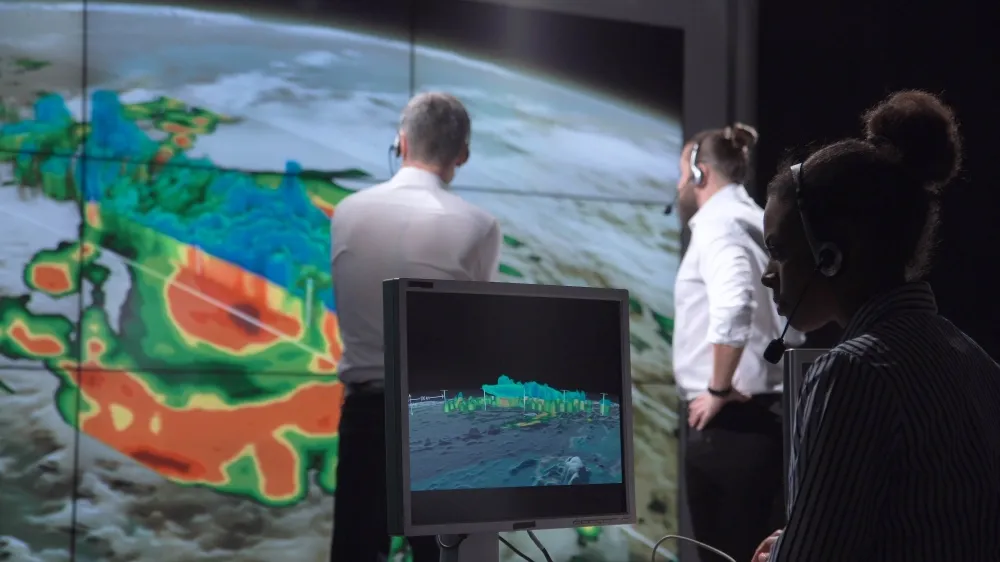
Weather forecasting systems
Weather is monitored using technology.
Includes:
- Satellite systems
- Radar tracking
- Climate models
Forecasting helps predict conditions.
Extreme weather events
Extreme events include:
- Heatwaves
- Dust storms
- Flash floods in some areas
These events affect safety and infrastructure.
Transportation and weather
Weather impacts travel systems.
Includes:
- Flight delays due to storms
- Road visibility issues
- Shipping disruptions
Transport systems depend on weather conditions.
Public health impact
Weather affects health.
Includes:
- Heat-related illness
- Dust allergy issues
- Dehydration risks
Health systems respond during extreme weather.
Future weather outlook
Future trends may include:
- Higher temperatures
- More heatwaves
- Increased water stress
- Advanced forecasting systems
Climate patterns are changing gradually.
Conclusion
Middle East weather is mainly hot and dry with seasonal variations, dust storms, and limited rainfall. Climate conditions affect water supply, agriculture, energy use, and daily life across the region.