
Introduction
Flood crisis updates refer to news and reports about flooding events happening in different parts of the world. These updates include information about rainfall, river overflow, damage to cities, displacement of people, rescue operations, and government response.
Flooding is one of the most common natural disasters globally and is strongly linked with heavy rainfall, climate change, poor drainage systems, and rising sea levels. Recent reports show that flooding events are increasing in frequency and impact across multiple continents.
Meaning of flood crisis updates
Flood crisis updates include real-time or recent information about:
- Heavy rainfall conditions
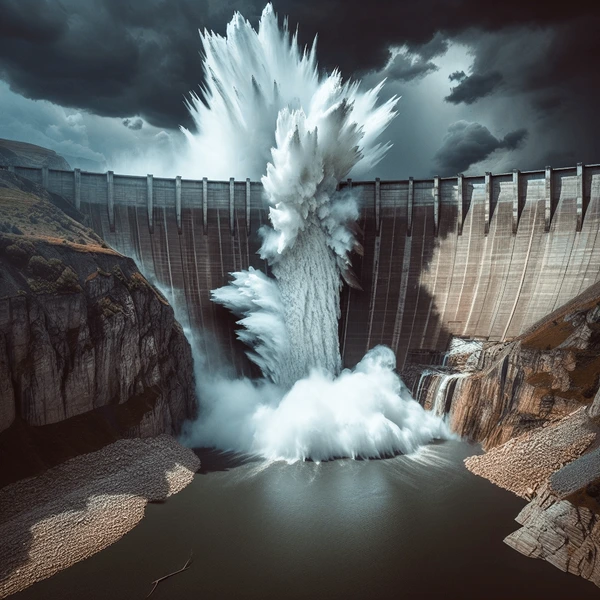
- River and dam overflow
- Urban flooding
- Flash floods in rural and mountain regions
- Emergency warnings and evacuation orders
These updates help governments and people respond quickly during disasters.
Global flood situation in 2026
In 2026, multiple countries have experienced severe flooding events across Asia, Africa, Europe, and South America. Reports show repeated flood emergencies affecting transportation, housing, and agriculture systems.
Flooding has become one of the most damaging natural hazards worldwide, affecting millions of people each year.
Major causes of flooding
Flood crises are caused by several environmental and human factors:
- Heavy rainfall and storm systems
- Overflow of rivers and lakes
- Melting snow and ice
- Poor drainage infrastructure
- Urban expansion in flood-prone areas
- Climate change increasing extreme rainfall
Climate change is considered a major driver of extreme weather patterns linked to flooding.
Recent flood events around the world
South Asia and Middle East region
In parts of South Asia and the Middle East, flash floods have been reported due to sudden heavy rainfall. These events often damage roads, homes, and agricultural land, and disrupt daily life.
Africa flood events
Several African countries have faced severe flooding linked with seasonal rains. Floodwater has damaged infrastructure, displaced populations, and increased health risks in affected areas.
Europe flood updates
European countries have also reported river overflow and storm-related flooding. In some regions, emergency alerts were issued due to continuous rainfall and rising water levels.
South America flood crisis
In South America, heavy rainfall has triggered landslides and floods, leading to deaths and displacement in multiple regions.
Human impact of flood crises
Flood crises affect people in multiple ways:
- Loss of homes and property
- Displacement of families
- Injury and loss of life
- Water contamination
- Disease outbreaks after floods
In many regions, thousands of people are forced to move to safer areas during emergencies.
Infrastructure damage
Flooding causes major damage to infrastructure:
- Roads and bridges collapse
- Power supply interruptions
- Damage to buildings
- Transportation system breakdown
- Communication network disruption
Cities often take weeks or months to recover after severe flooding.
Agricultural impact
Floods strongly affect agriculture systems:
- Crop destruction
- Soil erosion
- Livestock losses
- Damage to irrigation systems
Food supply chains are also affected, leading to higher prices in local markets.
Health risks during flood crises
Flood conditions increase health risks such as:
- Waterborne diseases
- Skin infections
- Mosquito-borne diseases
- Lack of clean drinking water
Emergency health services are often deployed in affected regions.
Government response and rescue operations
Governments respond to flood crises through:
- Emergency evacuation plans
- Rescue teams deployment
- Relief camps for displaced people
- Food and water distribution
- Disaster management coordination
In many countries, military and emergency services support flood rescue operations.
Role of climate change in flooding
Scientific reports show that climate change is increasing extreme rainfall events and making floods more frequent and severe in many regions.
Key effects include:
- Higher atmospheric moisture levels
- Stronger storm systems
- Rising sea levels
- Unpredictable weather patterns
Flood forecasting and technology
Modern technology helps in flood prediction:
- Satellite monitoring systems
- Weather radar networks
- AI-based forecasting models
- River water level sensors
These tools help reduce damage by providing early warnings.
Urban flooding challenges
Urban areas face severe flooding due to:
- Poor drainage systems
- Rapid city expansion
- Blocked waterways
- High population density
Urban floods often cause more economic damage compared to rural flooding.
Disaster preparedness systems
Countries are improving flood preparedness by:
- Building flood barriers
- Improving drainage infrastructure
- Creating evacuation routes
- Running disaster drills
- Strengthening early warning systems
Preparedness reduces loss of life and property damage.
Economic impact of flood crises
Floods create major economic losses:
- Damage to infrastructure
- Business interruptions
- Agricultural losses
- High reconstruction costs
Insurance systems in flood-prone regions are also under pressure.
Environmental impact
Floods affect natural ecosystems:
- Soil degradation
- Water pollution
- Loss of habitats
- River system changes
Long-term environmental damage can take years to recover.
Future outlook
Future flood crisis trends suggest:
- More frequent extreme rainfall events
- Increased coastal flooding risks
- Higher urban flood vulnerability
- Greater reliance on technology-based forecasting
Global cooperation is required to manage flood risks effectively.
Conclusion
Flood crisis updates highlight the growing impact of extreme rainfall and rising water levels across the world. Flooding affects human life, infrastructure, agriculture, and economies on a large scale.